
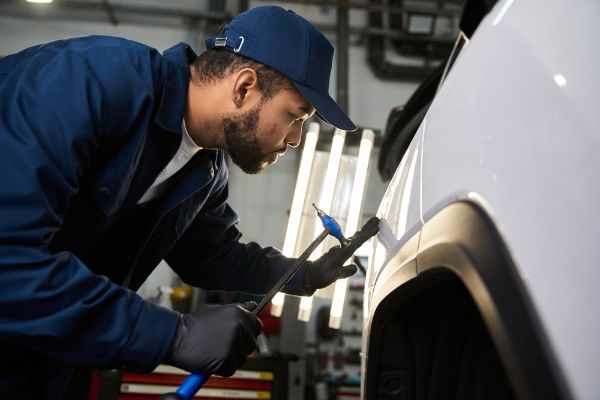
Understanding Panel Repair in Collision Centers
Panel repair is a core part of auto collision work, involving the assessment and restoration of damaged exterior sections of a vehicle. When a car is involved in an accident, technicians must determine whether the affected panel can be restored or if it needs to be replaced entirely. This decision depends on the severity of the damage, the material of the panel, and its role in the vehicle’s structure. Proper evaluation ensures that the vehicle maintains both its appearance and its intended performance standards after repair.
When Panel Repair Is the Preferred Option
In many situations, panels with light to moderate damage can be restored without removing and replacing the part. Dents, surface scratches, and minor deformation are often corrected through reshaping and refinishing techniques. Skilled technicians work to bring the panel back to its original form while preserving the factory-installed component. This approach is generally used when the damage has not affected alignment or weakened the structural integrity of the surrounding area.
When Replacement Becomes Necessary
There are cases where the damage is too extensive for restoration. Deep creases, stretched metal, or compromised mounting points may indicate that restoring the panel would not meet safety or quality standards. In these situations, replacement ensures that the vehicle maintains proper alignment and structural consistency. Panels that contribute to safety systems or load-bearing areas are especially critical when evaluating whether repair is appropriate.
Material Differences and Their Impact
Modern vehicles use a variety of materials, including high-strength steel, aluminum, and composites. Each material reacts differently to impact and repair techniques, which plays a significant role in decision-making. Some materials can be reshaped effectively, while others may lose their structural properties once damaged. Understanding these differences helps technicians choose the most suitable method for restoring the vehicle safely and correctly.
How Damage Is Evaluated
Before any repair begins, technicians conduct a detailed inspection of the damaged area. This includes checking for visible issues, measuring alignment, and identifying hidden structural concerns. Manufacturer guidelines are also used to determine acceptable repair limits. This evaluation process ensures that the chosen method aligns with industry standards and supports the long-term durability of the vehicle.
Restoring Vehicle Integrity Through Proper Repair Choices
Every collision repair situation requires careful analysis to determine the most effective approach. Whether restoring a damaged panel or installing a replacement, the focus remains on returning the vehicle to its intended condition. By combining technical expertise with proper assessment methods, the professionals at Earhart's ensure that repairs maintain both safety and visual consistency.